Sydney's next great pedestrian precinct
Crows Nest is well placed to become Sydney's next great pedestrian precinct. By drawing on the city's most successful street transformations, it can create a vibrant, people-first high street that supports growth, encourages local business and enriches everyday life.
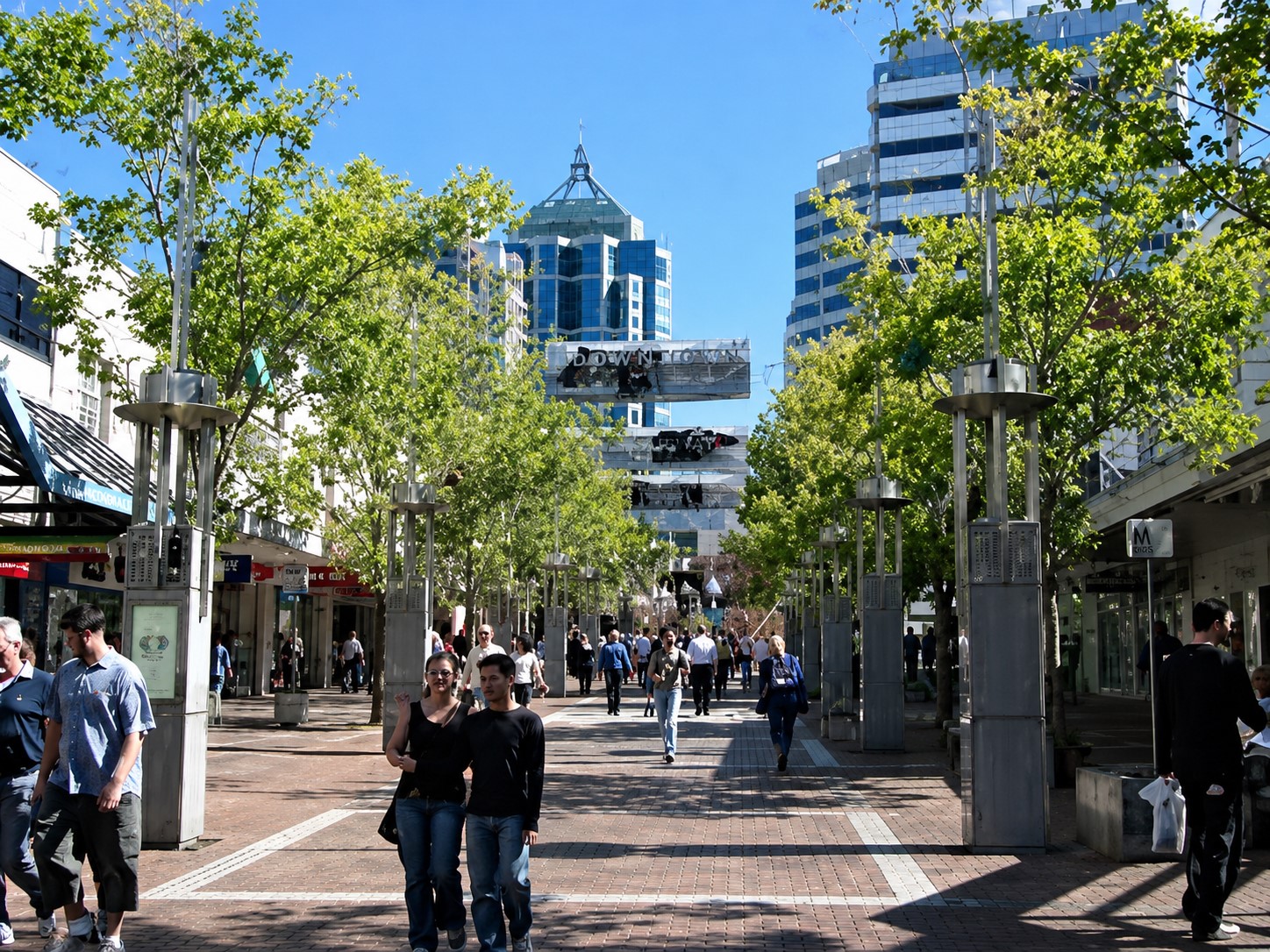
Victoria Avenue, Chatswood
A bustling suburban mall that completely shuts out cars, serving as the primary pedestrian conduit between a major transport interchange and dense residential towers.
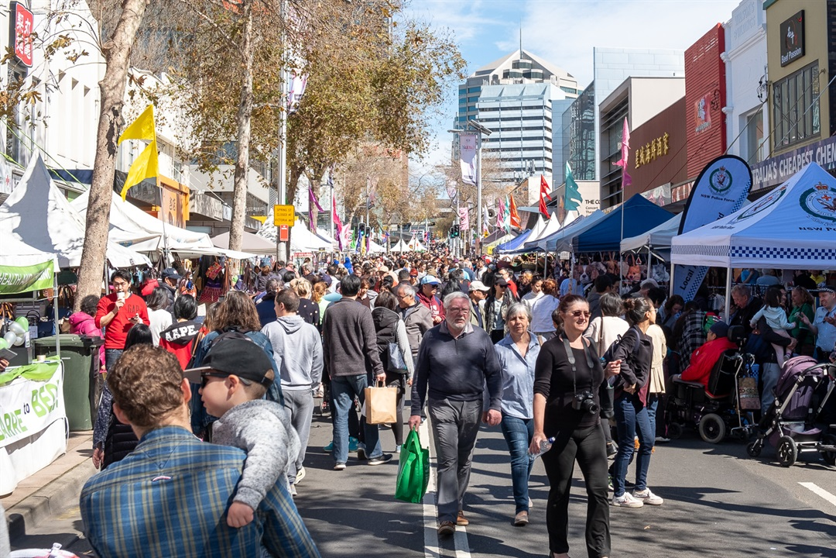
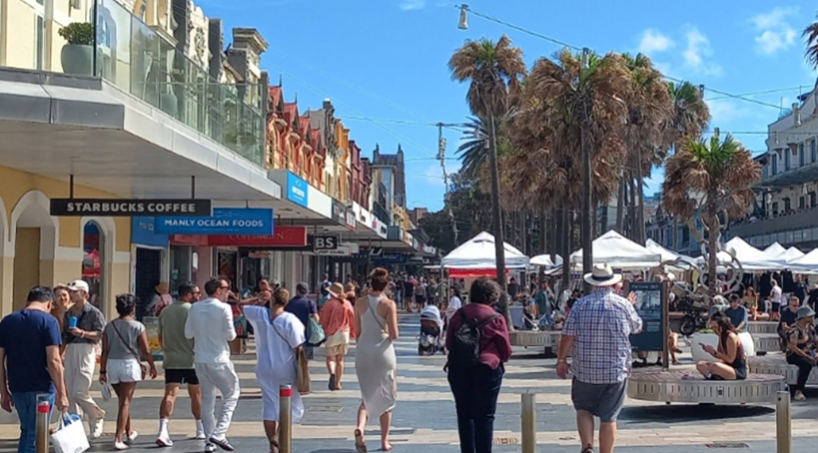
The Corso, Manly
This highly successful, pedestrian-only strip connects the harbour to the ocean beach and is bordered by low-to-medium-scale heritage and modern storefronts, much like Willoughby Road.
In the early 1970s, many shops sat empty due to competition from the Warringah Mall but when pedestrianised in 1979, The Corso started to boom.
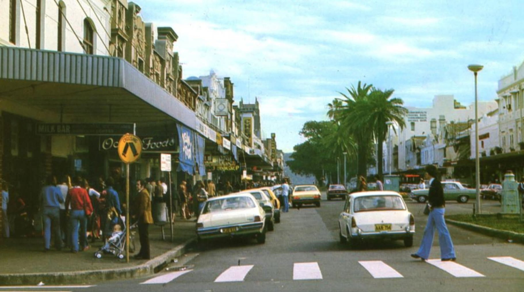
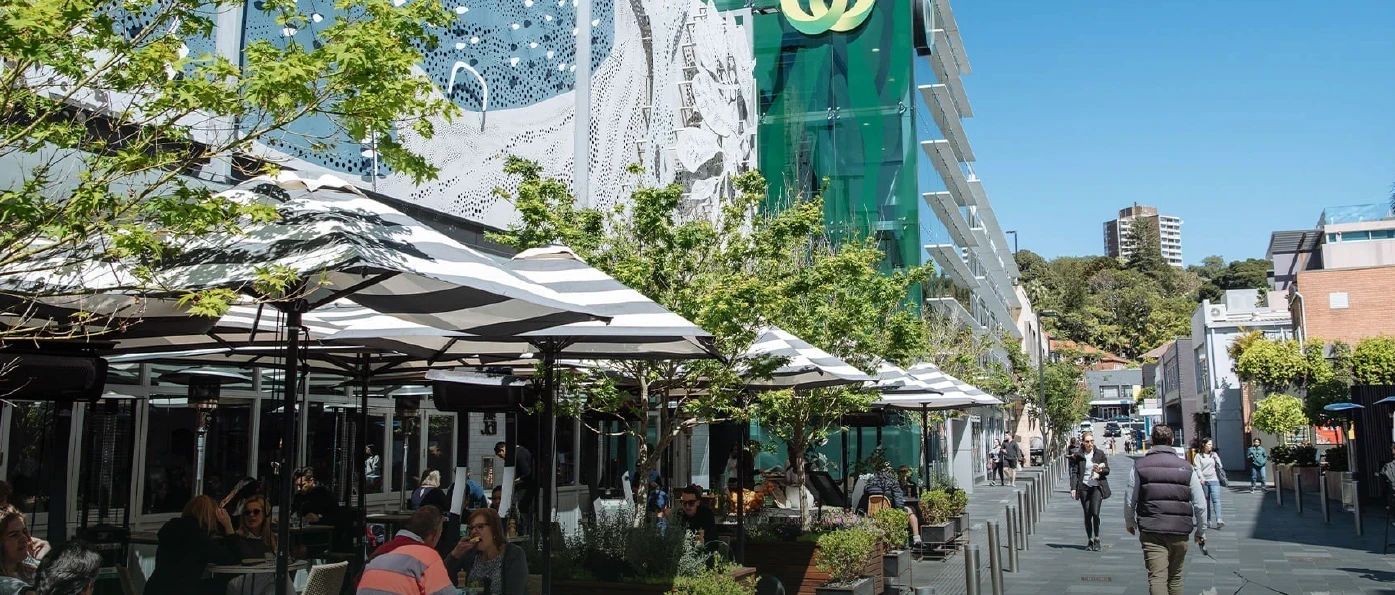
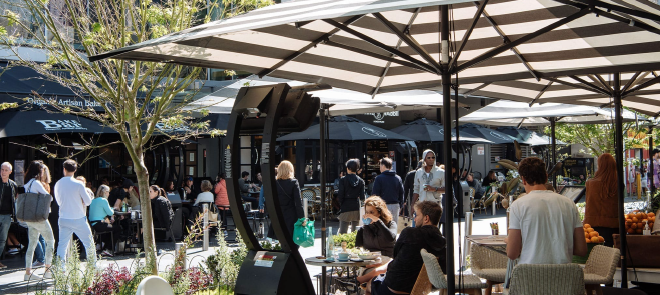
Kiaora Lane, Double Bay
Kiaora Lane was a Woollahra Council and Woolworths joint venture which transformed a traffic-dominated service lane into paved pedestrian plaza with a new library, supermarket, retail and around 450 car spaces.
It was opened in 2016 as a shared zone but was quickly closed to traffic because it was so popular. It's now bustling meeting place, packed with cafés.
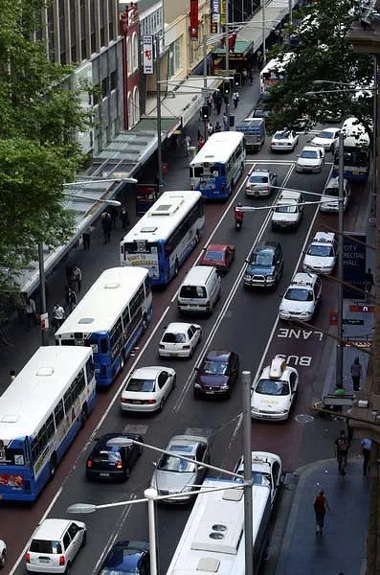
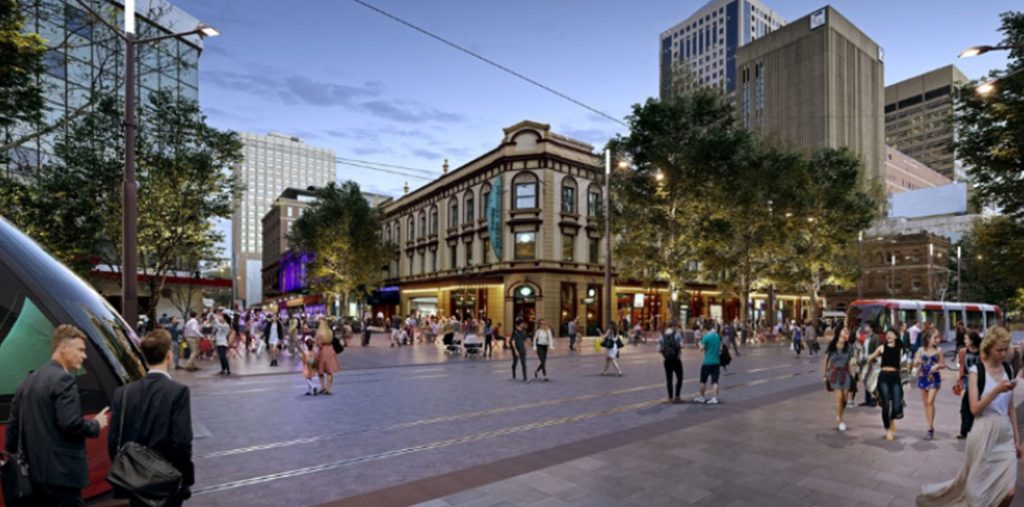
George Street, Sydney CBD
Once heavily congested and not pedestrian friendly, George Street was reclaimed section-by-section to create a massive pedestrian boulevard integrated with mass transit.
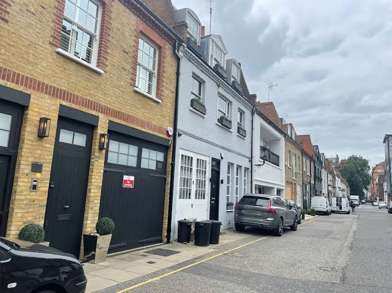
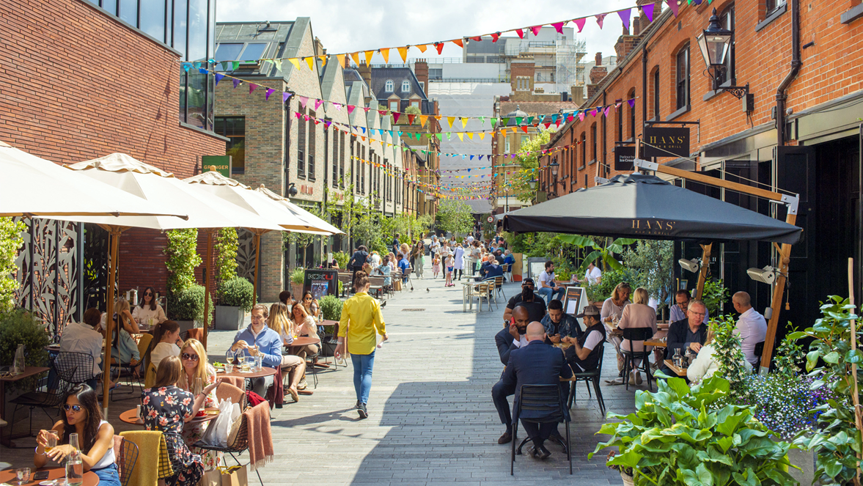
Pavilion Road, Chelsea, London
Once a service lane of garages and back entrances in Chelsea, Pavilion Road has been transformed into one of London's most loved pedestrian streets — a narrow, village-style lane lined with independent bakeries, cheesemongers, florists, cafés and restaurants that spill out onto the street.
Let's create a place where people have room to breathe, connect and belong.
Crows Nest is becoming a more connected and vibrant urban centre. Let's make Willoughby Road a greener, connected open space with better pedestrian infrastructure, ensuring growth brings more opportunity — not less liveability.
Sign the petition